A Multi-Billion Dollar Miscalculation? The Strait of Hormuz Crisis Revealed.
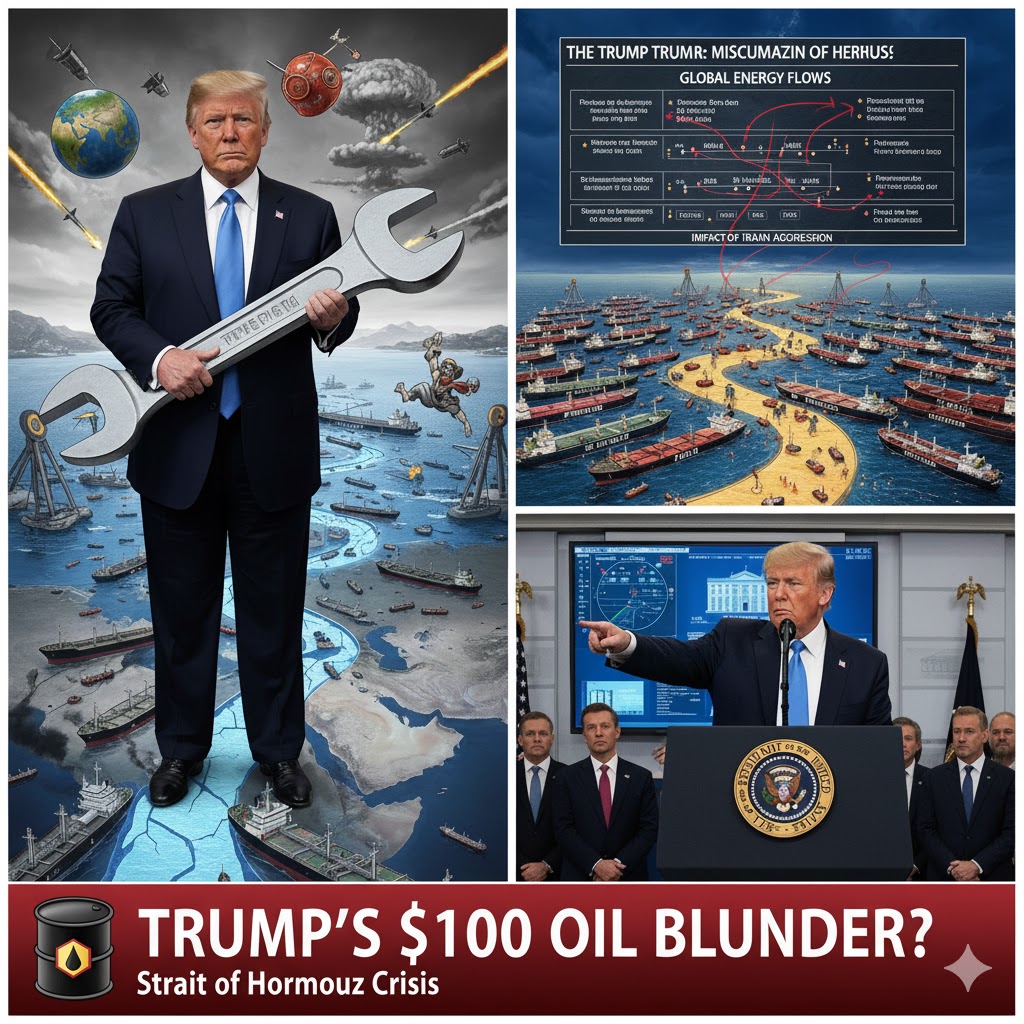
The Strategic Oversight: Miscalculating the Strait of Hormuz in the Iran Conflict
As the current conflict between the United States and Iran enters its third week, the global economy is grappling with a profound energy supply shock. While initial strategic assessments may have focused on military objectives, a critical miscalculation has become painfully apparent: the vulnerability of the Strait of Hormuz.
For many, the current crisis serves as a stark reminder that this narrow waterway is not just a shipping lane—it is the central nervous system of the global energy market.
A Calculated Risk or a Strategic Blind Spot?
Analysts and industry experts increasingly suggest that the administration may have underestimated Iran’s ability to weaponize its geography. By effectively turning the Strait of Hormuz into a "no-go" zone for commercial shipping, Iran has successfully countered military pressure with economic disruption.
The administration’s initial projections seemingly failed to account for the speed and severity with which shipping companies would halt operations. The threat of drone strikes, missile attacks, and GPS jamming has rendered the passage "suicidal" for commercial tankers, leading to a near-total paralysis of transit.
The Global Ripple Effect
The consequences of this underestimation are now being felt by consumers worldwide. The Strait of Hormuz is the world's most critical energy chokepoint, normally carrying approximately 20% of the global oil supply and significant volumes of liquefied natural gas (LNG).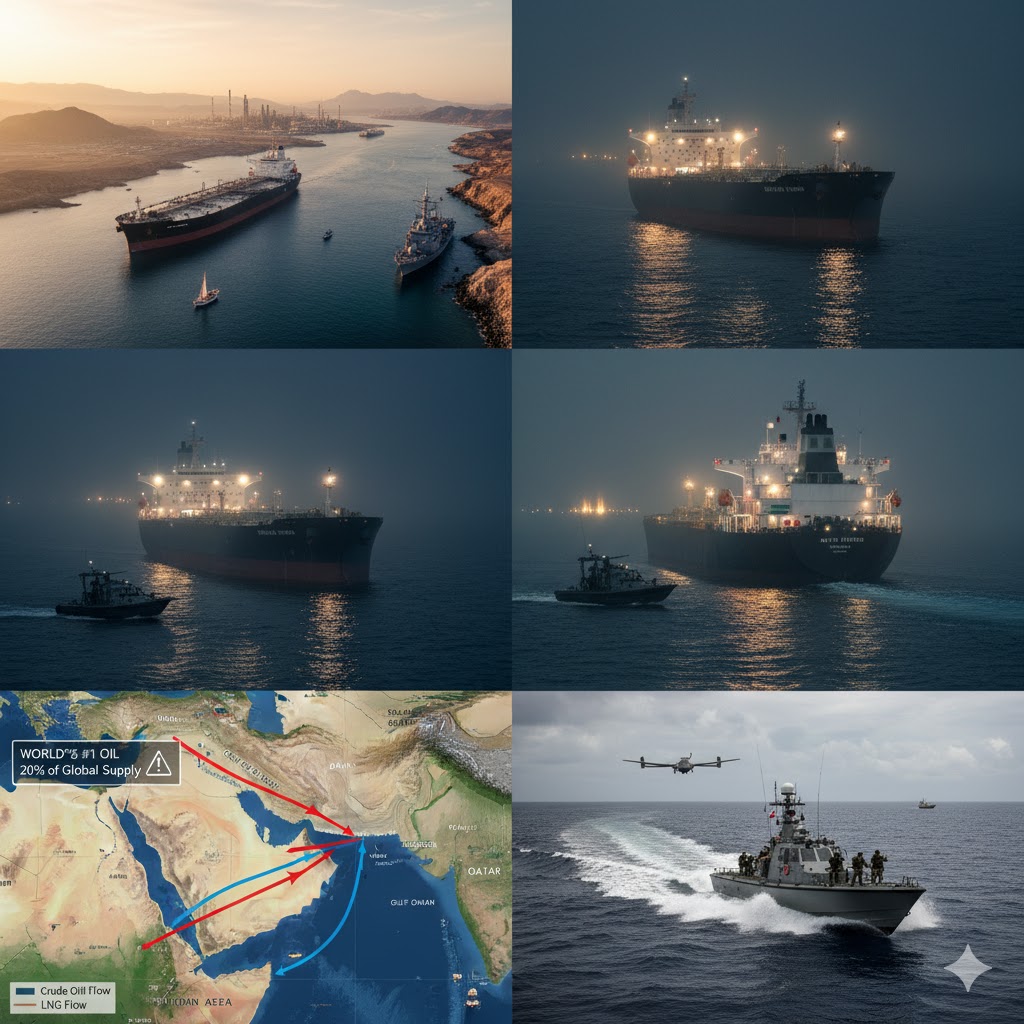
- Soaring Energy Costs: With the route blocked, oil prices have experienced unprecedented volatility, pushing costs above $100 per barrel.
- Logistical Cascades: Hundreds of tankers remain stranded in the Persian Gulf, unable to deliver cargo. This has forced major producers to cut output as storage facilities reach capacity.
- Beyond Oil: The disruption is rippling into other essential sectors, including fertilizers, food supplies, and industrial chemicals, creating the potential for a long-term supply chain crisis.
The Challenge of Reopening
Even if a ceasefire were declared, the path to normalization is fraught with risk. Unlike a traditional blockade, the current environment is heavily mined with threats—both literal and digital. Retired naval experts warn that simply resuming traffic without a comprehensive security plan is dangerous. The infrastructure damaged on land, combined with the lack of safety assurances for maritime insurers, suggests that any resumption of normal trade will be a slow, expensive, and fragile process.
Conclusion
The current situation highlights a dangerous gap between military planning and economic reality. By failing to fully anticipate the leverage Iran could wield through its geographic position, the administration has inadvertently triggered one of the most serious supply shocks in decades. As the conflict drags on, the world is learning—at a steep cost—that energy security is not merely a matter of production, but of the ability to move that energy safely across the world's most narrow and vital chokepoints.
Comments (0)
Loading comments...